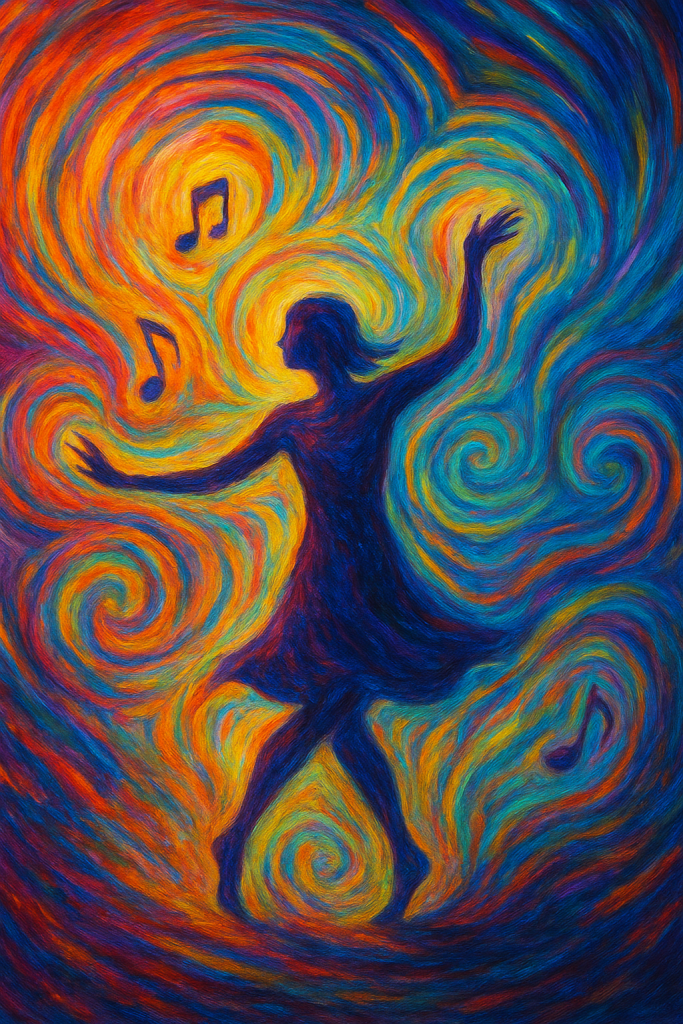
“And those who were seen dancing were thought to be insane by those who could not hear the music.”
— Friedrich Nietzsche
There’s something profoundly liberating about Nietzsche’s words. They remind us that the ones who dare to live differently, to follow their own rhythm, are often misunderstood by those who cannot sense the same beat. At some point, every dreamer, artist, and visionary has been looked at with confusion or doubt. And yet, it is often those very people who bring the most light, color, and progress into the world.
So, what does it really mean to “dance to your own music”? And why is it so often misinterpreted as madness, arrogance, or even failure? Let’s dive deeper.
The Beauty of Being Misunderstood
History is filled with people who were dismissed as eccentric, crazy, or out of touch, only to later be celebrated as geniuses. Vincent van Gogh painted with passion and vision, but sold almost nothing in his lifetime. Nikola Tesla was ridiculed for his radical ideas, many of which shaped the modern world. Even writers like Emily Dickinson, who rarely shared her work while alive, left behind a treasure trove of poetry that continues to inspire.
The truth is, when you see the world differently, your perspective may not align with what society expects. People are often uncomfortable with what they don’t understand. And instead of trying to hear your music, they label you as “insane” because it’s easier than trying to tune in.
But here’s the beauty: being misunderstood can be a sign that you are truly walking your own path. It means you are creating rather than conforming. And creation is always disruptive before it is celebrated.
Finding Your Own Rhythm
At its core, “dancing to your own music” is about authenticity. It’s about trusting your inner compass even when it doesn’t match the collective map. This doesn’t mean ignoring wisdom or refusing to learn from others. It means having the courage to listen to your heart and live in alignment with what feels true for you.
Maybe your rhythm shows up in the way you create art, build a business, or practice a unique lifestyle. Maybe it’s in the dreams you chase that others don’t understand. Your rhythm could be quieter — like choosing stillness in a noisy world, or kindness in a world obsessed with competition.
Whatever it looks like, your music is yours. And no one else can hear it quite the way you do. That’s the gift.
How to Embrace Your “Dance”
Of course, it’s one thing to talk about authenticity and another to live it. It can be uncomfortable — even lonely — to feel misunderstood. Here are a few ways to keep moving to your own rhythm without losing your footing:
1. Release the Need for Approval
Not everyone will understand you, and that’s okay. The more you rely on external validation, the more likely you’ll silence your music to fit in. Real freedom comes when you no longer need everyone to clap along.
2. Find Your People
Even if most can’t hear your rhythm, there are always a few who will. Seek out the ones who encourage your dance, even if they don’t fully understand it. Community matters, but it doesn’t have to be massive — even one or two kindred spirits can help you feel less alone.
3. Use Creativity as Expression
Whether it’s writing, painting, making music, or building something new, creativity is one of the best ways to let your rhythm flow. Expression transforms isolation into art. It allows the world to catch glimpses of the music only you can hear.
4. Stay Grounded in Self-Belief
When doubt creeps in — and it will — remind yourself of the bigger picture. Journal your progress, celebrate small wins, and remember the greats who were once dismissed before their brilliance was recognized.
Why It’s Worth It
Dancing to your own music isn’t always easy. People may laugh, criticize, or even try to silence you. But the alternative — abandoning your rhythm to follow someone else’s beat — often leads to emptiness.
True fulfillment comes not from conformity, but from authenticity. When you move in alignment with your unique rhythm, life feels lighter, freer, and more alive. And even if only a few ever hear your music, those who do will be deeply touched by it.
Nietzsche’s quote is more than just philosophy — it’s an invitation. An invitation to stop worrying about being misunderstood, and instead, to embrace your dance fully.
Conclusion: Keep Dancing
Those who seem “insane” may simply be ahead of their time. What feels strange to others today may become the very thing that inspires tomorrow.
So keep dancing. Keep listening to your music, even when the world is silent. Because in the end, the dance isn’t for them — it’s for you.
 TheSpiritualExplorer
2 responses to “Dancing to Your Own Music: Why True Visionaries Are Misunderstood”
💯
LikeLiked by 1 person
❤️💕
LikeLiked by 1 person