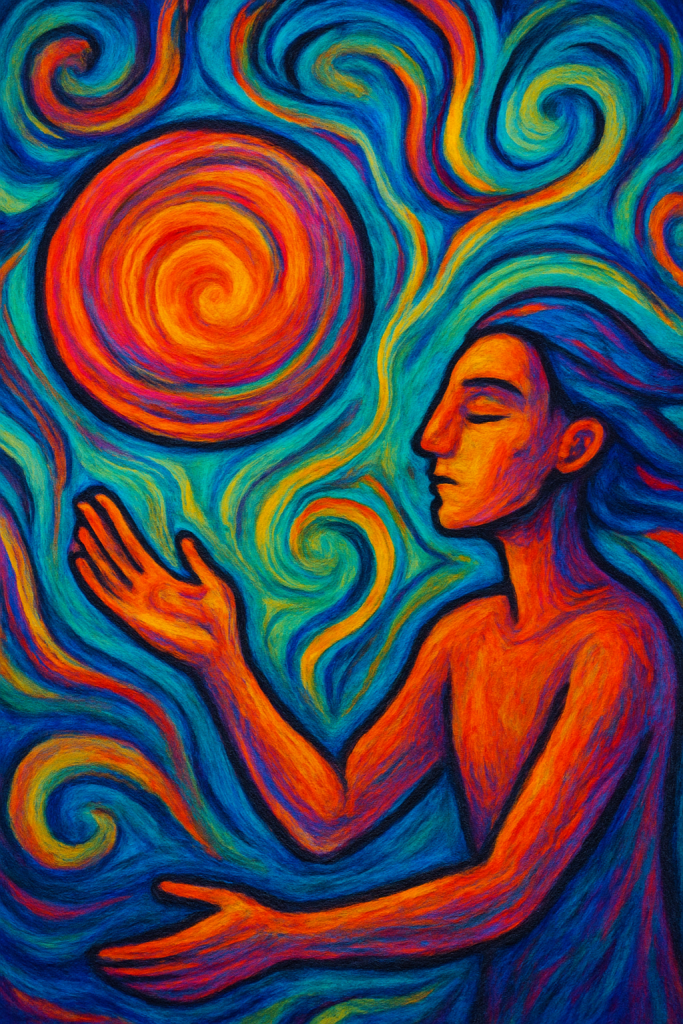
We often cling to situations, people, or outcomes far longer than we should — not because it serves us, but because we feel that holding on gives us some form of control. In truth, it’s the opposite. The tighter we grip, the more we create stress, frustration, and emotional exhaustion.
Letting go isn’t about giving up. It’s about creating space for peace, clarity, and growth. It’s a conscious choice to free yourself from the mental tug-of-war over things you cannot change.
1. Why We Struggle to Let Go
Our minds are wired to seek certainty. We want to know how things will end, to fix what’s broken, and to make sense of what feels unfair. But life is unpredictable, and not every puzzle needs to be solved by us. Sometimes, the closure we’re searching for comes from within, not from the outside world.
2. The Emotional Weight of Holding On
When we hold on to anger, resentment, or “what could have been,” we trap ourselves in the past. That weight doesn’t just live in our minds — it seeps into our mood, our relationships, and even our health. Imagine trying to move forward while dragging a heavy suitcase behind you. That’s what holding on feels like.
3. The Power of Surrender
Surrender isn’t weakness — it’s strength. It means saying, “I trust life enough to stop controlling every detail.” It’s choosing peace over chaos, even when things don’t go as planned. When you let go, you make room for new opportunities, relationships, and perspectives that you couldn’t see while your hands were full.
4. How to Start Letting Go
- Accept reality as it is — not how you wish it to be.
- Stop replaying the story in your head. Replace “Why did this happen?” with “What can I learn from this?”
- Focus on what you can control — your actions, your mindset, your response.
- Create space for healing — through meditation, journaling, or simply stepping away from the situation.
5. A New Chapter Awaits
When you let go, you’re not losing — you’re making room. You’re telling the universe, “I’m ready for what’s next.” And often, what’s next is better than what you were holding onto.
So, take a deep breath, loosen your grip, and trust that letting go doesn’t mean you’re empty — it means you’re free.