Frozen meals have long carried a reputation for being unhealthy. For years, they were associated with highly processed ingredients, excessive sodium, and the classic “TV dinner” stereotype. But the reality today is a bit different. With advances in food production and a growing demand for healthier convenience foods, frozen meals have evolved significantly. When chosen wisely, they can actually be a practical and balanced option for people with busy lifestyles.
Why Frozen Meals Got a Bad Reputation
The negative perception around frozen meals mostly comes from their history. Early frozen dinners often prioritized shelf life and flavor over nutrition. Many of them were loaded with salt, preservatives, and refined carbohydrates. Vegetables were often minimal, and protein portions were sometimes small or low quality.
Because of this, frozen meals became known as quick but unhealthy options. However, as consumers became more health-conscious, food companies began responding by improving ingredient quality, nutritional balance, and transparency in labeling.
What Actually Makes a Frozen Meal Healthy
Not all frozen meals are created equal. Some can still be overly processed, while others are surprisingly balanced. The key is knowing what to look for on the label.
A good frozen meal usually includes a solid source of protein, such as chicken, beef, fish, beans, or tofu. Protein helps keep you full longer and supports muscle health. Ideally, a meal should contain at least 15–20 grams of protein.
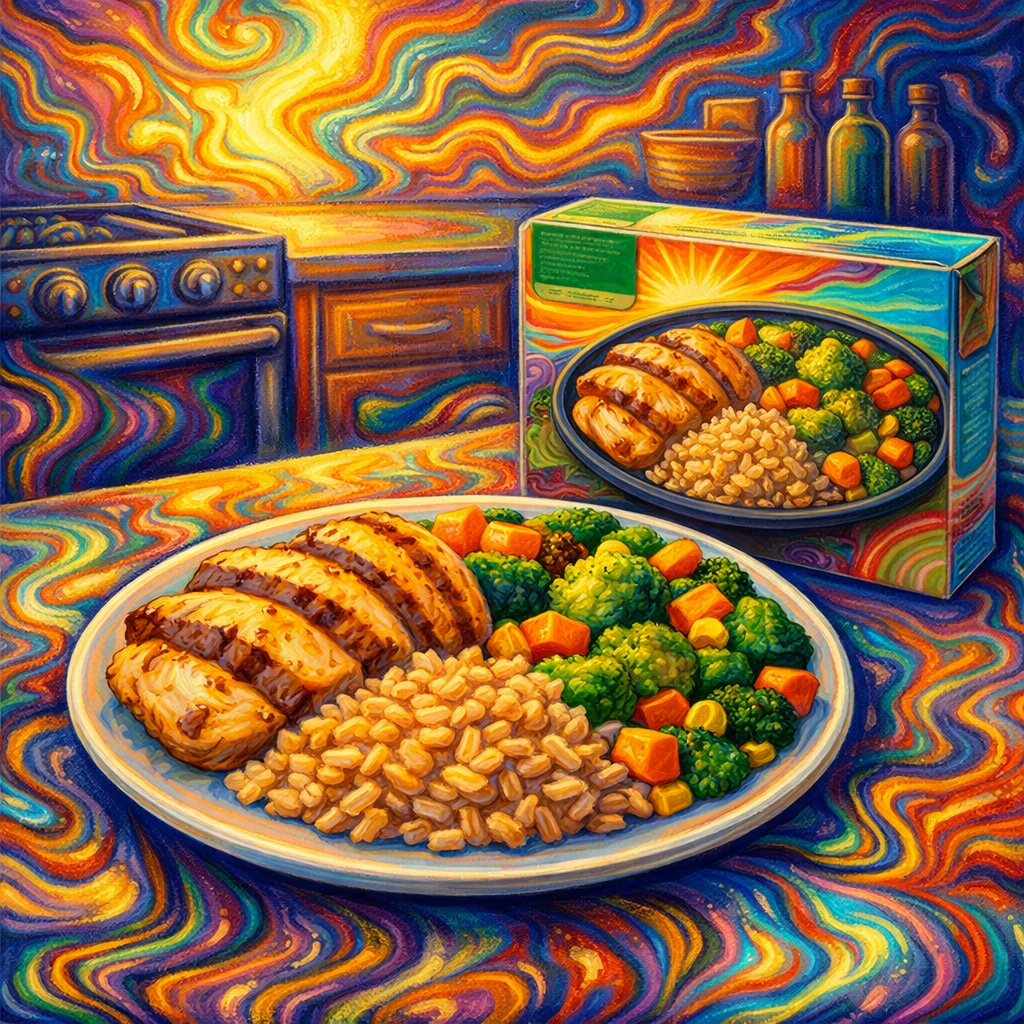
Vegetables are another important factor. Many modern frozen meals include a variety of vegetables, which provide fiber, vitamins, and minerals. Meals that combine lean protein with vegetables and whole grains tend to be the most balanced options.
Calorie balance also matters. For most adults, a meal between 350 and 600 calories can work well depending on activity level and daily nutrition goals. Too few calories may leave you hungry later, while extremely high calorie meals can defeat the purpose of convenient portion control.
Ingredients to Watch Out For
Even with better options available today, it’s still important to read ingredient lists. Some frozen meals still contain high levels of sodium, which can contribute to bloating or high blood pressure when consumed regularly.
Look for meals that stay under roughly 700–800 milligrams of sodium when possible. Also watch for long ingredient lists filled with artificial additives or excessive added sugars. Simpler ingredient lists with recognizable foods usually indicate a higher-quality meal.
Another tip is to check the balance of macronutrients. Meals that are heavy in refined carbohydrates but low in protein or fiber may leave you hungry again quickly.
Why Frozen Meals Can Fit Into a Healthy Lifestyle
For many people, the biggest challenge to healthy eating isn’t knowledge—it’s time. Cooking every meal from scratch simply isn’t realistic for everyone. Work schedules, commutes, and daily responsibilities often make convenience an important factor.
Frozen meals can actually help solve this problem. They provide quick portion-controlled meals that require little preparation. In many cases, they can prevent people from skipping meals or resorting to fast food.
They can also be useful for portion awareness. Since the serving size is already measured, it’s easier to maintain balanced calorie intake without needing to weigh or measure food.
Additionally, frozen meals often preserve nutrients well. Freezing helps lock in vitamins and minerals, especially in vegetables that are frozen shortly after harvest.
The Bottom Line
Frozen meals don’t deserve the blanket reputation they once had. While some options are still highly processed, many modern frozen meals offer balanced nutrition with quality ingredients.
The key is learning how to read labels and prioritize meals with adequate protein, real vegetables, moderate sodium levels, and reasonable calorie counts. When chosen thoughtfully, frozen meals can be a convenient, practical addition to a healthy lifestyle—especially for people who need quick, reliable meals during busy days.
 TheSpiritualExplorer