We like to think of ourselves as rational beings. We pride ourselves on making “logical” decisions, carefully weighing the pros and cons, and striving for objectivity. Yet, if we pause and truly observe human behavior—ours and others’—we quickly notice a striking truth: humans are not logical. Emotion, not reason, is the engine driving nearly every thought, decision, and action we take.
This is not a new observation. Psychologists, philosophers, and social thinkers have long noted that human behavior is guided far more by feelings, biases, and pride than by any cold rationality. Understanding this fundamental fact can transform the way we relate to others, make decisions, and navigate life.
Why We Think We’re Rational (But Aren’t)
From an early age, we are conditioned to value logic. School tests reward “right” answers; society praises careful planning and decision-making. The narrative we’ve inherited tells us that humans are thinkers first, feelers second.
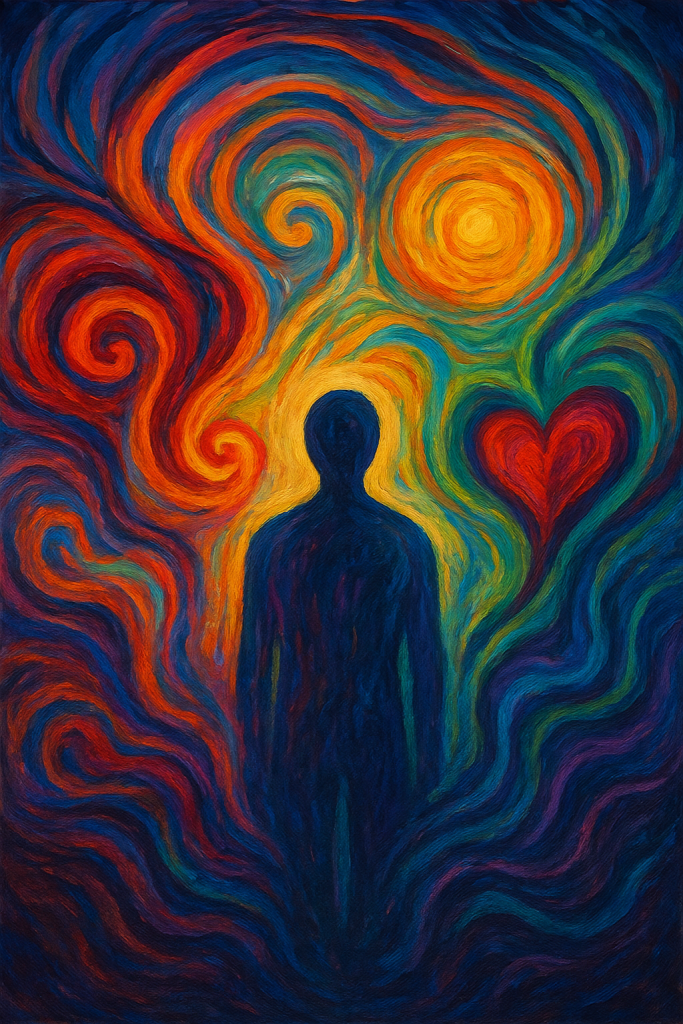
But Carl Jung, one of the most influential psychologists of the 20th century, reminds us that our conscious mind is just the tip of the iceberg. Below the surface lies a vast world of emotions, desires, prejudices, and subconscious drives that often dictate our behavior more than reason ever does.
In daily life, this disconnect shows up in subtle and sometimes dramatic ways. Think about how easily arguments escalate despite clear evidence, or how advertisements play on emotion rather than logic to sell products. Logic alone rarely persuades humans; emotion moves them.
Emotion as the Real Driver of Behavior
So if not logic, what drives us? Emotions: pride, fear, desire, vanity, love, anger—they are the undercurrents of nearly every decision we make. Even when we think we are being rational, emotions are quietly shaping the narrative.
Consider a few examples:
- Financial decisions: People often buy or sell stocks based on fear or greed, not careful analysis.
- Relationships: We may “know” a partner is incompatible, but feelings of attachment or pride keep us tethered.
- Workplace dynamics: Logic may dictate collaboration, but emotions like envy, ego, and desire for recognition often dominate interactions.
Understanding this isn’t about blaming emotions or suppressing them; it’s about recognizing their undeniable influence. Once we see emotion as the true driver, we gain clarity and power over our choices.
Understanding People: A Guide to Emotional Intelligence
If humans are creatures of emotion, the key to navigating the world—and relationships—is emotional intelligence. This is the skill of recognizing, understanding, and managing emotions in yourself and others. Here are some actionable insights:
- Active Listening: Listen not just for facts but for feelings. What is the emotion behind the words?
- Recognize Biases: Understand that pride, vanity, and prejudice can cloud judgment, in yourself and others.
- Empathy Over Judgment: Before reacting, try to see the situation from the other person’s emotional perspective.
- Pause Before Reacting: Emotions are immediate; rational thought is slower. Give yourself space to respond instead of react.
By developing these skills, you start to navigate interactions more effectively. You understand why people do what they do, even when it seems illogical, and you can respond in ways that build trust rather than conflict.
How Emotional Awareness Improves Communication
Imagine a conversation where both parties prioritize understanding emotions over proving points. Arguments become discussions, conflicts transform into collaborations, and influence grows not through persuasion but connection.
Here’s why: when we address the emotional core of a situation, people feel seen and heard. Logic alone often leaves them dissatisfied, because it bypasses the deeper human need for recognition and validation. A person who feels understood is more likely to engage, cooperate, and change—not because they were “convinced” logically, but because their emotions were acknowledged.
Conclusion: The Power of Emotion in a Logical World
Humans are, at heart, emotional beings. Pride, fear, vanity, desire, love, and prejudice shape more of our world than we often care to admit. Accepting this truth doesn’t make us irrational—it makes us wiser.
By recognizing the emotional undercurrents in ourselves and others, we gain the tools to communicate better, make more conscious choices, and create meaningful connections. Logic may guide the mind, but emotion moves the world.
In short: if you want to understand people—and succeed in life—start by understanding emotion. Not logic. Not reason. Emotion.
 TheSpiritualExplorer