We live most of our lives on autopilot. Thoughts whirl past like clouds in a restless sky, emotions rise and fall like waves we barely notice, and habits loop endlessly without ever being questioned. Yet somewhere within this perpetual motion lies a quiet, transformative power: the act of observing oneself.
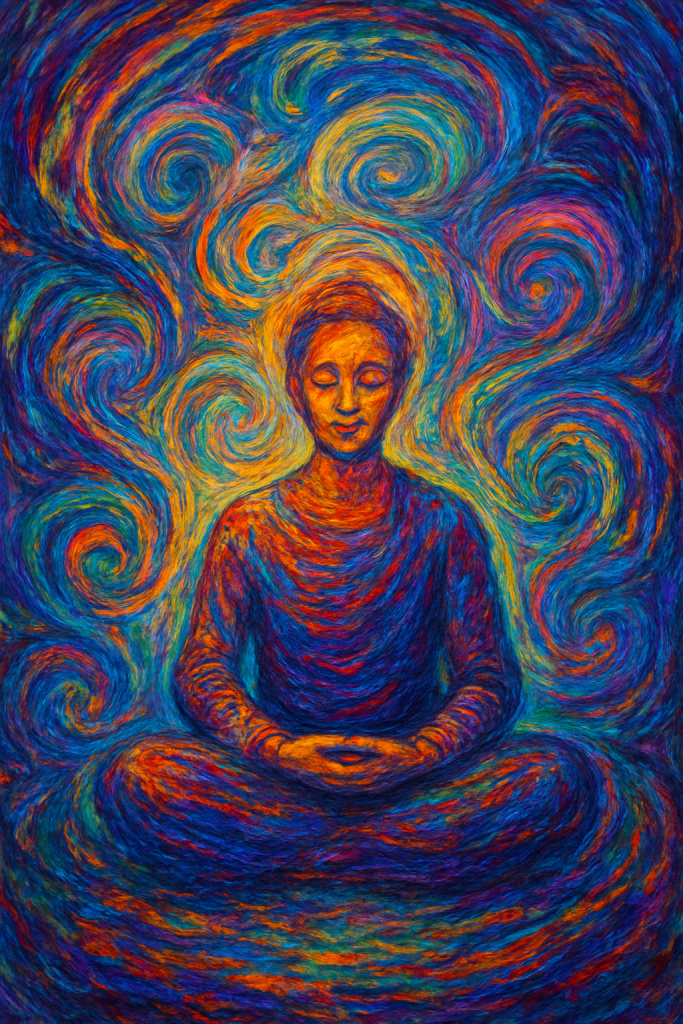
Self-observation is not merely introspection; it is the deliberate act of becoming both the observer and the observed, the witness to your own inner world. It is a subtle alchemy that, when practiced with patience and honesty, can transform raw awareness into growth, understanding, and even freedom.
The Philosophy Behind Watching Yourself
Across centuries and cultures, thinkers have recognized the power of self-observation. The Stoics urged constant reflection: to watch one’s thoughts and reactions, to recognize impulses before they dictate action. In Eastern traditions, mindfulness meditation asks practitioners to sit in stillness, noticing sensations, emotions, and mental chatter without judgment.
At its heart, self-observation is about detachment—not from life itself, but from the unexamined patterns that govern our responses. It creates a space between stimulus and reaction, a breathing room where choice exists. When we observe ourselves clearly, we begin to see not just the surface of behavior, but the hidden currents beneath—the fears, desires, and assumptions that shape each decision.
The Mechanics of Awareness
Becoming an observer of oneself is not always comfortable. We quickly notice habits we dislike, reactions that feel “automatic,” or recurring patterns that seem impossible to break. The mind resists this scrutiny; self-awareness is both enlightening and unsettling.
A few practices can help cultivate this observation:
- Pause and Notice: Take a moment in the day to simply observe what you’re thinking and feeling. Name it: anger, curiosity, fatigue, joy.
- Journaling: Write without censoring. Capture your impulses, frustrations, or moments of clarity. Seeing them on paper creates distance and insight.
- Check Your Triggers: Notice what provokes strong reactions. Ask why it affects you and what underlying belief it touches.
Through these methods, observation moves from a passive act to an active tool for transformation.
Turning Awareness into Growth
Observation alone is not growth—it is the raw material. The alchemy happens when awareness informs action. For instance, recognizing a habitual reaction of defensiveness allows you to pause before responding. Seeing that anxiety often emerges from unmet expectations can guide you to adjust those expectations. Awareness illuminates the path; it gives clarity to choices that previously felt invisible.
Growth through self-observation is incremental. It is rarely dramatic or immediate. But over time, the repeated acts of noticing, reflecting, and adjusting build a foundation for resilience, emotional intelligence, and authentic living.
Small Practices, Big Effects
To begin turning awareness into growth, start small:
- Spend five minutes each morning observing your thoughts without trying to change them.
- At the end of each day, jot down one moment when awareness influenced your behavior.
- Periodically ask: “Was I acting out of habit, or out of conscious choice?”
These simple exercises, practiced consistently, quietly reshape your inner world.
The Endless Cycle of Becoming
Self-observation is not a destination—it is a journey. We are always both the observer and the observed, forever evolving through cycles of noticing, learning, and adjusting. The subtle alchemy lies not in perfection, but in presence: in witnessing your own mind with curiosity and compassion, allowing awareness to slowly, steadily, turn into growth.
In the end, self-observation is less about changing who you are and more about understanding yourself deeply enough to live with intention. The more clearly you see, the more freely you act. And in that clarity, transformation quietly unfolds.
Call to Reflection: Take a few moments today to observe one thought or reaction without judgment. Notice its origin, its intensity, and its effect. Then, reflect on how simply seeing it changes the way you engage with it.
 TheSpiritualExplorer