There’s a difference between being calm and being balanced.
Calm is temporary — it comes and goes like the weather.
Balance, though, is something deeper. It’s the ability to feel everything fully — joy, anger, sadness, anxiety — without letting any single emotion pull you completely off center.
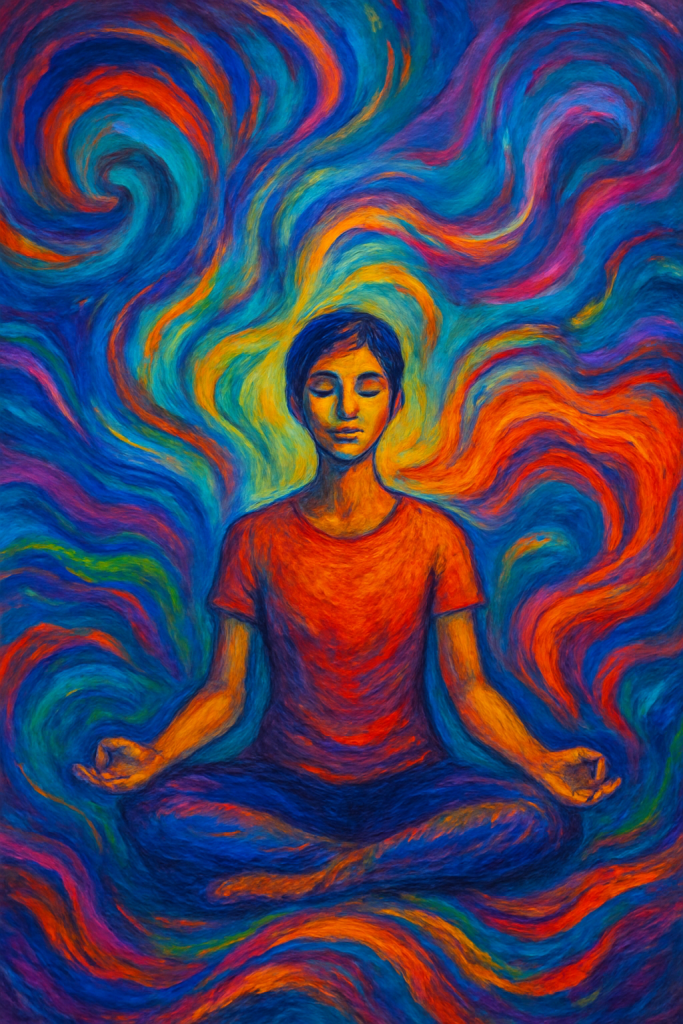
The truth is, emotional balance isn’t about shutting down your feelings. It’s about learning to ride the waves without drowning in them.
The Real Meaning of Emotional Balance
Most of us grew up thinking balance meant not feeling too much — to “keep it together,” “stay strong,” or “move on.” But emotional balance doesn’t mean silence or suppression. It means allowing what you feel to exist without letting it define who you are.
When you’re balanced, you can be angry without losing control, sad without spiraling, happy without clinging. It’s not about staying steady all the time — it’s about returning to steady when life throws you off.
That’s the key: balance isn’t a trait; it’s a practice of returning.
Becoming Aware of What Throws You Off
We all have emotional triggers — things that instantly pull us into reaction. Maybe it’s being ignored, feeling criticized, or losing something important. The moment you notice you’ve been pulled off center is actually a moment of awareness — a small victory.
That space between your trigger and your reaction is everything. It’s where growth lives.
In that space, you get to choose: do I react from pain, or do I respond from presence?
Learning to pause — even for two seconds — changes everything.
Acceptance: The Hardest, Most Honest Practice
Acceptance doesn’t mean liking everything that happens. It means acknowledging it without adding resistance. When you sit with discomfort instead of rushing to fix it, something powerful happens: it starts to soften.
Emotions are meant to move through you, not stay stuck inside. But they can only move when you stop fighting them.
Balance comes from that quiet moment when you say, “This hurts, and that’s okay.”
That’s not weakness — that’s emotional mastery.
Habits That Build Balance
You don’t find balance by accident; you build it through small, intentional habits:
- Breathe before you speak. It slows the nervous system and gives you control.
- Journal without judgment. Let the emotions out in words, no filter.
- Take mindful breaks. Even 60 seconds of stillness resets your inner rhythm.
- Check in with your body. Where are you holding tension? Your body often knows before your mind does.
These small practices become anchors. Over time, they help you return to calm faster — not because you avoid storms, but because you trust yourself to navigate them.
The Gentle Reminder
Emotional balance isn’t about perfection — it’s about practice.
Some days, you’ll handle things gracefully. Other days, you’ll lose your footing. That’s okay. The fact that you notice it means you’re growing.
So the next time a wave hits, don’t fight it. Feel it.
Let it move through you — and then return to your center.
Ask yourself:
What emotion do I usually run from — and what could it teach me if I stopped running?
That’s where balance begins.
 TheSpiritualExplorer