“I cannot teach anybody anything, I can only make them think.” — Socrates
In an age where information is everywhere, wisdom has somehow become rare. We scroll endlessly, consume content at lightning speed, and fill our minds with facts—yet still feel disconnected from true understanding. Socrates, one of the greatest philosophers of all time, offered a profound reminder that remains just as relevant today: no one can truly teachyou anything. They can only guide you to think for yourself.
The Socratic Way: Why Questions Matter More Than Answers
Socrates didn’t lecture his students or hand them fixed truths. Instead, he asked questions. Lots of them. His goal wasn’t to fill their minds with information but to awaken their ability to reason and reflect. He understood that truth isn’t something you receive—it’s something you realize through your own thinking.
In our modern world, this method is revolutionary. We’re taught to memorize, to follow instructions, to repeat what others say. But rarely are we encouraged to question the world, our beliefs, or even ourselves. The Socratic way invites us to stop being passive recipients and start being active participants in our own learning.
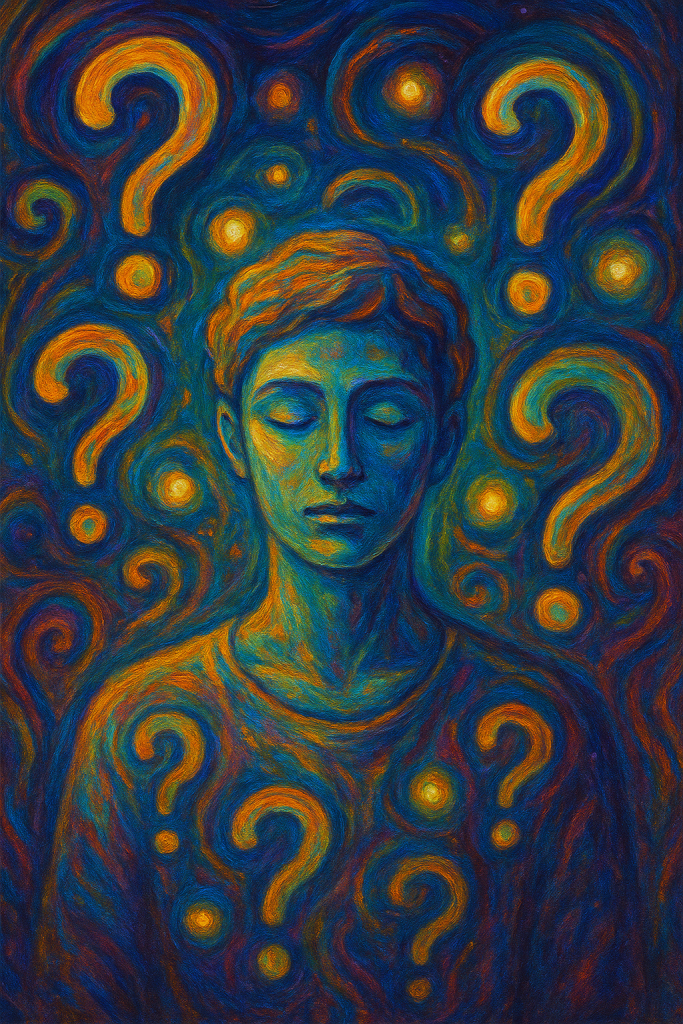
When you begin to ask better questions—“Why do I believe this?”, “What’s another way to see this?”, “What if the opposite were true?”—you start unlocking a deeper layer of awareness. That’s where wisdom begins to grow.
Learning Through Reflection: How Thinking for Yourself Builds Confidence
Thinking deeply isn’t just about intelligence; it’s about courage. It takes courage to challenge your assumptions, to admit you might be wrong, and to hold space for uncertainty. Reflection gives you the power to navigate life with confidence because your understanding becomes rooted in your own experience, not someone else’s opinion.
When you reflect, you turn information into insight. You stop being easily swayed by trends or manipulated by fear. You start trusting your intuition. And in that trust, a sense of self-confidence naturally forms—because you’re no longer seeking validation from the outside world; you’re guided by the clarity within.
Learning to think for yourself doesn’t mean rejecting all advice or knowledge. It means using your mind as a filter—accepting what resonates, questioning what doesn’t, and building your own map of truth.
The Modern Application: Thinking Critically in the Age of Noise
Today’s world rewards reaction more than reflection. We’re encouraged to comment before we comprehend, to share before we truly understand. In this digital age, thinking deeply is almost a rebellious act.
But this is where the wisdom of Socrates becomes vital. Before you accept a piece of information as truth, pause. Reflect. Ask yourself: Who benefits from me believing this? Does this align with my values? Is this thought empowering or limiting?
Critical thinking doesn’t mean skepticism—it means discernment. It means knowing how to separate what’s real from what’s noise. It’s how you protect your mental space, preserve your peace, and stay aligned with your higher purpose.
By thinking for yourself, you regain control over your attention—and your attention is one of the most powerful currencies in existence.
Becoming Your Own Teacher: How to Spark Curiosity Daily
You don’t need a classroom or a mentor to begin living like a philosopher. You just need curiosity. The key is to approach life with wonder, as if every moment has something to teach you.
Here are a few ways to practice the Socratic mindset daily:
- Ask yourself reflective questions. Instead of “What should I do?” ask “Why do I feel drawn to this?”
- Journal your thoughts. Writing helps organize your mind and reveals patterns in your thinking.
- Engage in deep conversations. Find people who challenge your perspective instead of echoing it.
- Stay humble. Wisdom isn’t about knowing everything—it’s about knowing you don’t.
When you cultivate curiosity, you become your own teacher. You realize that growth doesn’t come from having all the answers but from being willing to explore the questions.
The Takeaway: Don’t Seek to Be Taught—Seek to Think
Socrates wasn’t trying to create followers. He was trying to awaken thinkers—people who could see beyond illusion and uncover truth for themselves.
In your own life, remember that real learning isn’t about memorizing lessons—it’s about transforming the way you see the world. When you start thinking deeply, questioning freely, and seeking truth sincerely, you move from knowledge to wisdom.
The next time you catch yourself looking for someone to tell you what to do, pause. Breathe. Ask yourself what you truly think, feel, and know. Because the greatest teacher you’ll ever have is already within you.
 TheSpiritualExplorer