“REPLACING ‘WHY IS THIS HAPPENING TO ME’ WITH ‘WHAT IS THIS TRYING TO TEACH ME’ IS A GAME CHANGER.”
Have you ever found yourself saying, “I feel bad” or “I don’t know how I feel”? It’s a common experience. Most of us live our emotional lives in broad strokes—good, bad, anxious, or happy—without digging deeper. But there’s a powerful skill that can transform your mental clarity, emotional resilience, and self-growth: emotional granularity.
What Is Emotional Granularity?
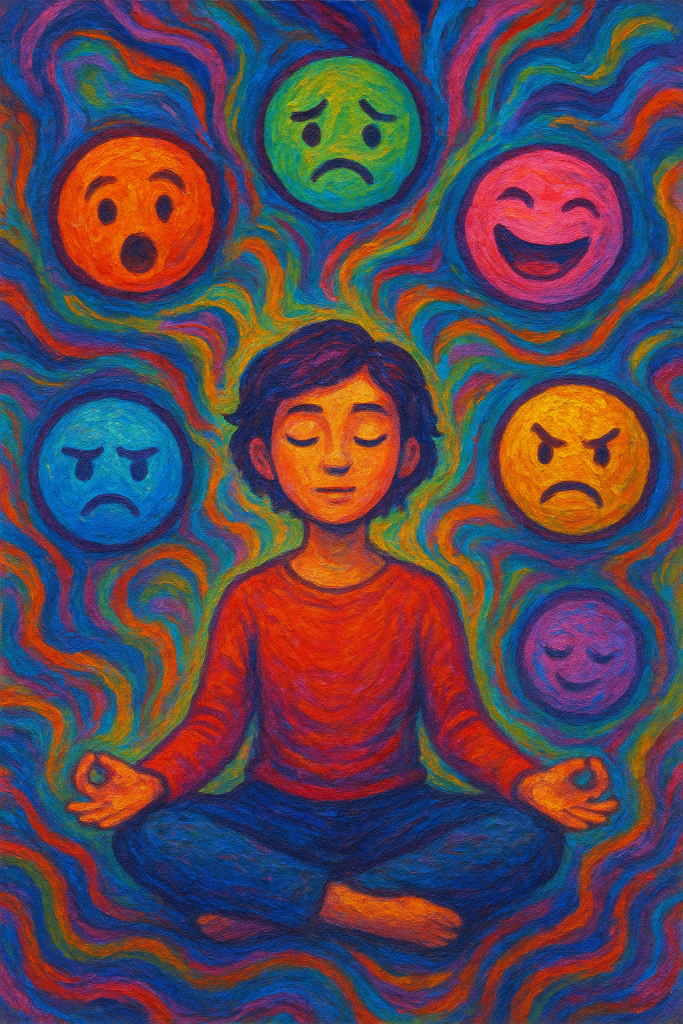
Emotional granularity is the ability to recognize and label your feelings with precision. Instead of vaguely saying, “I’m upset,” you might notice, “I feel frustrated, overlooked, and restless.” This skill isn’t just about naming feelings; it’s about truly understanding the nuances of your emotional landscape.
Why does it matter? When you can clearly identify what you’re feeling, you gain control, clarity, and perspective. Emotions stop being mysterious forces that sweep you away—they become signals, guiding you toward action, insight, and growth.
How Emotional Granularity Builds Mindset and Self-Efficacy
When you understand your emotions in detail, you start noticing patterns and triggers. You realize which thoughts or situations provoke stress, excitement, or joy. This awareness strengthens self-efficacy—the confidence that you can respond effectively to challenges rather than react impulsively.
For example, instead of lashing out in frustration or feeling paralyzed by vague anxiety, you can ask yourself:
“I feel restless and frustrated because my expectations weren’t communicated clearly. How can I address this?”
This shift is subtle but powerful. It moves you from a reactive mindset to a proactive one. You stop asking, “Why is this happening to me?” and start asking, “What is this trying to teach me?”
Practical Ways to Develop Emotional Granularity
- Journaling With Emotion Labels
At the end of each day, write down your feelings in detail. Go beyond “sad” or “happy.” Try “disappointed,” “relieved,” “hopeful,” “curious.” - Check-Ins Throughout the Day
Pause a few times and ask, “What am I feeling right now?” This keeps you aware of emotional shifts and helps prevent overthinking or mindless reactions. - Use an Emotions Wheel
Tools like an emotions wheel can help you identify complex feelings and break them down into finer shades. - Reflect on the Triggers
After identifying a feeling, ask yourself: “What caused this? Is this a thought, an action, or a situation? What can I learn?”
The Ripple Effect
Building emotional granularity doesn’t just make you emotionally smarter—it enhances your relationships, decision-making, and overall peace of mind. When you respond instead of react, communicate instead of explode, and reflect instead of judge, you’re aligning with your higher self.
Imagine starting each day with the mindset: “I know my emotional landscape, and I can navigate it intentionally.” That’s the hidden superpower emotional granularity brings.
Challenge for This Week:
Start tracking your emotions daily for seven days. Be as specific as possible and note how this awareness influences your decisions, mindset, and interactions. Even small changes in clarity can lead to massive shifts in how you experience life.
 TheSpiritualExplorer