In a world filled with distractions, negativity, and unexpected challenges, maintaining inner peace can feel like a constant battle. We often allow people or events to dictate how we feel, reacting impulsively instead of responding with clarity. But true strength lies in self-control. The moment you decide that your emotions are yours to command—not someone else’s—is the moment you reclaim your power.
Why Emotions Get Hijacked
Our emotions are deeply connected to our experiences, past traumas, and subconscious reactions. When someone criticizes us, ignores us, or does something we perceive as unfair, our natural response is often frustration, sadness, or anger. This reaction comes from a survival instinct—our brain sees threats and signals us to fight, flee, or freeze.
However, in modern life, most of these “threats” aren’t life-or-death situations. They are words, actions, and behaviors from people who may not even realize they’re affecting us. The problem arises when we let these external factors dictate our mood, our energy, and ultimately, our state of mind.
The Art of Detachment: Learning to Respond, Not React
Detachment doesn’t mean you stop caring—it means you stop allowing situations and people to have power over your emotions. You gain the ability to observe without instantly reacting. Instead of being a puppet to external circumstances, you become the director of your own emotional state.
Here’s how to practice detachment in daily life:
- Pause before reacting. When something triggers you, take a deep breath and give yourself a moment to process.
- Ask yourself: “Is this worth my energy?” Most situations that upset us won’t matter in a week, a month, or a year.
- Shift perspectives. Not everything is personal. People act based on their own experiences and emotions, which often have nothing to do with you.
- Use emotional redirection. Instead of letting negativity consume you, redirect your focus to something productive or positive.
Strength vs. Weakness: Why Self-Control is True Power
Many people mistake emotional outbursts for strength—they think being loud, reactive, or confrontational means they are standing up for themselves. In reality, true strength is the ability to remain calm, collected, and in control.
Self-control is a form of mastery. It allows you to make better decisions, protect your energy, and avoid unnecessary stress. Think of the most powerful and wise individuals—they rarely let their emotions rule them. Instead, they act with intention and clarity.
Practical Steps to Stay Centered
To cultivate unshakable inner peace, incorporate these habits into your daily routine:
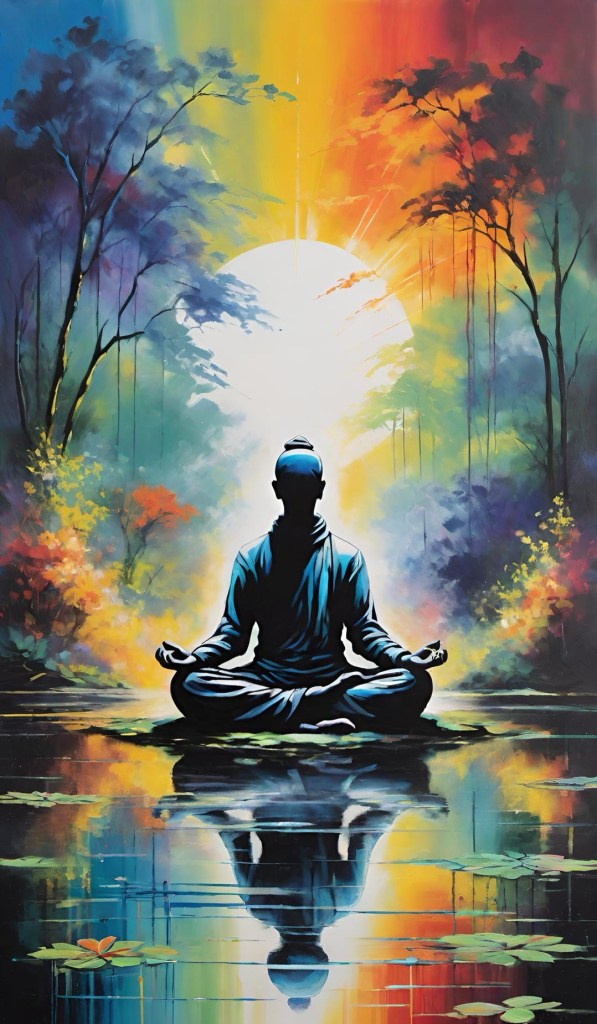
- Practice mindfulness. Regular meditation or deep breathing helps you stay present and reduces emotional reactivity.
- Limit exposure to negativity. Avoid people, news, or social media that drain your energy.
- Set emotional boundaries. You don’t have to engage with every argument or negative interaction.
- Engage in self-reflection. Journaling, self-awareness exercises, or therapy can help you understand and process emotions better.
- Surround yourself with peace. Spend time with people who uplift you, and engage in activities that bring you joy.
Cultivating Peace in a Chaotic World
Mastering your emotions isn’t about suppressing them—it’s about owning them. When you stop allowing others to dictate how you feel, you gain a level of freedom that few ever achieve. Inner peace is a choice, a discipline, and ultimately, a form of self-respect.
You have the power to decide what affects you. The next time someone tries to disrupt your peace, take a deep breath, smile, and remind yourself: I am in control.
 TheSpiritualExplorer