In a world that glorifies hustle and productivity, slowing down can feel counterintuitive. We’re often told to push through pain, keep moving forward, and leave the past behind. But real transformation doesn’t happen through force—it happens when we create space for healing. Self-awareness and rest are two of the most powerful yet overlooked tools for growth. Without them, we remain trapped in old patterns, unaware of the emotional baggage we carry.
Examining Your Emotional History: Understanding Past Pain to Move Forward
Many of the struggles we face today are rooted in unresolved emotions from the past. Whether it’s childhood experiences, past relationships, or moments of failure, these memories shape how we see ourselves and the world. Without reflection, we unknowingly react to life based on outdated fears and beliefs.
Self-awareness begins with asking the right questions:
- What emotions tend to surface repeatedly in my life?
- What situations trigger strong reactions from me?
- Are there recurring patterns in my relationships or decisions?
Journaling, therapy, or even deep conversations with trusted friends can help bring clarity. By examining our emotional history, we take the first step toward healing—acknowledgment.
The Power of Rest: Why Slowing Down Is a Crucial Part of Transformation
Many people think healing is about doing—taking action, making changes, and pushing forward. But true transformation also requires moments of stillness. Rest is not just about physical recovery; it’s about giving your mind the space to process and reset.
When we’re constantly distracted—whether by work, social media, or mindless entertainment—we avoid the discomfort of our emotions. But when we rest, we allow ourselves to sit with our feelings and gain deeper insight. Rest can look like:
- Setting aside time for solitude and reflection.
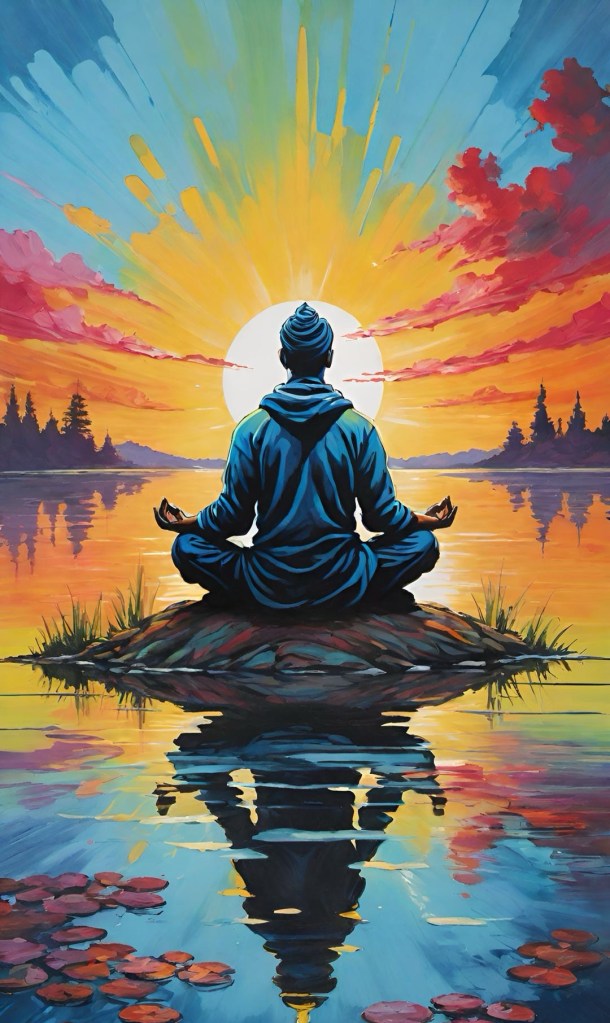
- Engaging in meditation or deep breathing exercises.
- Prioritizing sleep and relaxation without guilt.
Rest isn’t a luxury; it’s a necessity. It’s during these quiet moments that clarity emerges, allowing us to move forward with intention rather than autopilot reactions.
Finding Your Healing Practice: What Works for You?
Healing isn’t a one-size-fits-all process. Some people find solace in meditation, while others need creative outlets like writing, painting, or music. Some heal through movement—yoga, dance, or long walks—while others turn to spiritual or therapeutic practices.
The key is consistency. Transformation doesn’t happen overnight. It’s the daily commitment to self-awareness and self-care that leads to lasting change. If you’re unsure where to start, try experimenting with different practices and observe what feels most aligned with your needs.
Believing That You Can Change: Overcoming Doubt and Embracing Your Evolution
One of the biggest barriers to healing is the belief that change isn’t possible. We hold onto old identities, thinking, This is just who I am. But that’s a story—one that can be rewritten.
Growth requires faith in yourself. It requires the willingness to step into the unknown and trust that you are capable of evolving. It means saying yes to people who support your growth and no to old patterns that keep you stuck.
Making Healing a Daily Commitment
Healing isn’t a one-time event—it’s a continuous journey. It’s about making space for self-awareness, prioritizing rest, and embracing the belief that transformation is possible. The more we slow down, reflect, and care for ourselves, the more we step into our fullest potential.
So today, take a deep breath. Give yourself permission to rest. Make time for self-awareness. And trust that healing is already happening within you.
Would you like me to tweak any part of this or add something specific?
 TheSpiritualExplorer