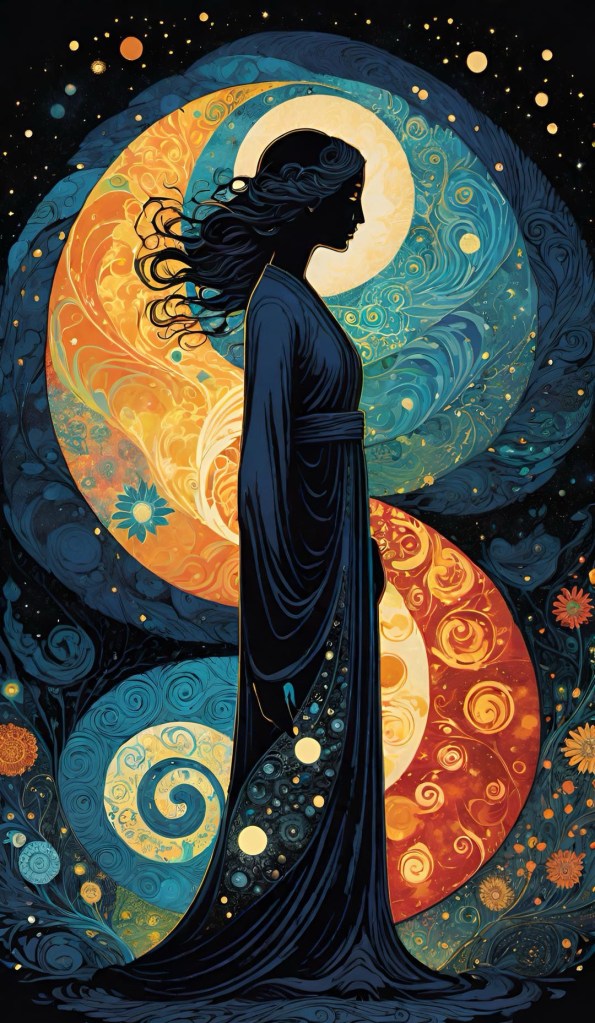
We often think of ourselves as either “good” or “bad,” “right” or “wrong,” but life—and human nature—is rarely so binary. One of the most profound insights from Carl Gustav Jung, a pioneer in psychology, is the necessity of acknowledging both the light and shadow within us. He famously said, “Anyone who perceives his shadow and his light simultaneously sees himself from two sides and thus gets in the middle.”
This idea invites us to explore our inner duality and recognize that true self-awareness comes from balancing both aspects of our personality. By doing so, we step into the middle ground—a space of acceptance, peace, and personal growth.
Understanding the Shadow and the Light
In Jungian psychology, the “shadow” represents the parts of ourselves that we may reject, deny, or suppress. These are traits we might find uncomfortable or unacceptable—anger, jealousy, fear, or past mistakes. Conversely, the “light” encompasses our positive qualities: kindness, strength, creativity, and potential.
The challenge lies in acknowledging both sides without judgment. Often, we over-identify with our light, striving to appear perfect while burying the shadow deep within. However, denying the shadow doesn’t make it disappear—it festers, influencing our behaviors and emotions in ways we may not even realize.
Steps to Acknowledge and Integrate Your Shadow
Embracing duality is not about choosing sides but finding balance. Here are practical steps to begin this process:
- Practice Self-Reflection:
Take time to examine your thoughts, feelings, and actions without judgment. Ask yourself, “What am I avoiding or afraid to face about myself?” - Engage in Shadow Work:
Shadow work involves consciously exploring the parts of yourself that you tend to hide. Journaling is an excellent tool for this—write about moments of discomfort or situations where you felt triggered. What underlying emotions or fears might be at play? - Accept, Don’t Judge:
Recognize that everyone has both light and shadow. Embracing your shadow doesn’t make you “bad.” It makes you whole. - Seek Balance:
Instead of suppressing your shadow or glorifying your light, aim for a middle ground. This balance allows you to respond authentically to life’s challenges rather than reacting from fear or pride.
The Power of Standing in the Middle
When you learn to see yourself from both sides—shadow and light—you unlock a deeper sense of self-awareness. This middle ground is not a place of perfection but a space where you can accept yourself as you are. It’s where growth happens.
Standing in the middle fosters compassion for yourself and others. You realize that no one is purely good or bad; we’re all a mixture of light and shadow, doing our best to navigate the complexities of life.
Carl Jung’s wisdom reminds us that true self-awareness requires courage: the courage to face our shadows and celebrate our light. When we embrace both sides, we stop striving for perfection and instead cultivate authenticity and balance.
Today, take a moment to reflect on your inner duality. What parts of yourself have you been neglecting? How can you step into the middle and honor the whole of who you are?
The journey to self-acceptance isn’t always easy, but it’s one of the most rewarding paths you can take. After all, embracing your shadow and your light isn’t just about seeing yourself fully—it’s about truly understanding and loving yourself.
 TheSpiritualExplorer