In a world that constantly glorifies being busy and productive, it’s easy to feel guilty for taking time to slow down and heal. We’re often told to “push through” tough times, to keep going no matter what, as if rest and recovery are signs of weakness. But the truth is, taking the time to heal—whether physically, emotionally, or mentally—is one of the most crucial things we can do for ourselves. Rushing the process not only prolongs the pain but can also prevent us from fully growing and learning from our experiences. Healing is not just a pit stop on the way to success; it’s part of the journey itself.
Why Healing Should Be a Priority
Healing should never be seen as something optional or a luxury reserved for when life “slows down.” The truth is, life rarely gives us that perfect moment to focus solely on ourselves. And when we try to bury the need to heal under layers of distractions and to-do lists, we’re only harming ourselves in the long run.
Whether it’s healing from a physical injury, emotional trauma, or mental burnout, ignoring the need for rest will catch up with us. We might start feeling resentful, irritable, or exhausted—signals from our mind and body that we’ve pushed ourselves too far. By putting healing at the forefront of our lives, we not only improve our well-being but also increase our resilience. The stronger we become, the more capable we are of handling future challenges.
Signs That You Need Time to Heal
Many people aren’t even aware that they need to take time for themselves. In a culture that praises hustling and moving forward at all costs, recognizing the signs that you need healing can be difficult. But our bodies and minds often send subtle signals long before burnout or breakdown occurs.
Feeling constantly fatigued, even after resting, is one major indicator. Emotional signs might include feeling detached, unmotivated, or overwhelmed by things that used to bring joy. If you’re constantly on edge, experiencing frequent irritability, or find it hard to focus, these are red flags that your mind is crying out for a break. On a physical level, persistent aches, headaches, or illnesses may also be signs that your body needs to recover.
Practical Steps to Heal
Healing doesn’t happen overnight, and there’s no magic formula. However, there are practical steps that can help you along the way.
1. Prioritize Rest: Sometimes, the most important thing we can do is simply rest. This might mean taking a day off from work, unplugging from technology, or setting aside time to sleep and recharge. Rest allows your body and mind the space to process and recover.
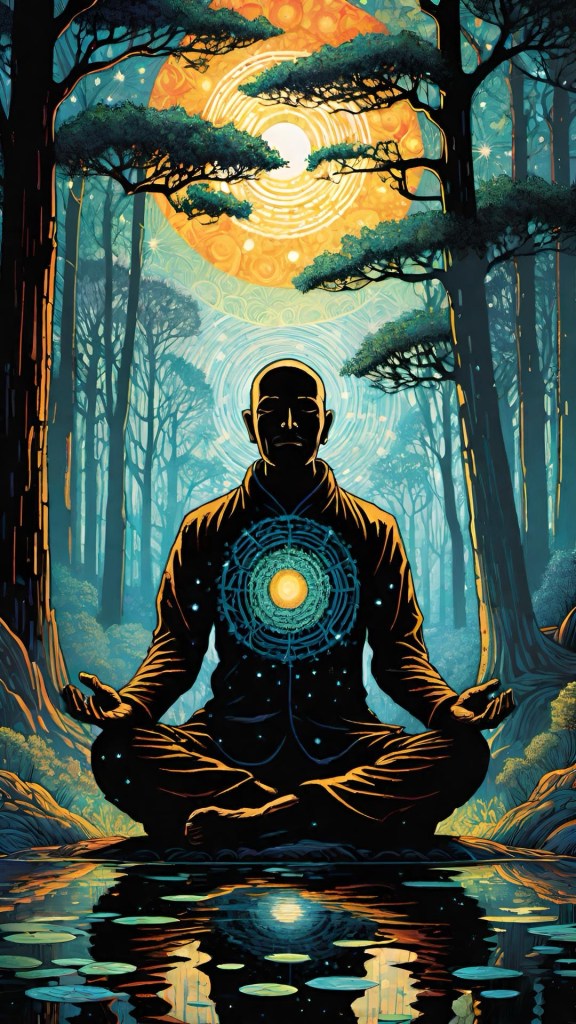
2. Practice Mindfulness and Meditation: Mindfulness and meditation can help calm the mind and reduce anxiety. By focusing on the present moment, you can begin to release the grip of past hurts or future worries. Guided meditations, breathing exercises, or even quiet reflection can create a sense of peace and clarity.
3. Set Boundaries: Healing often requires setting boundaries—both with others and with ourselves. Whether it’s saying no to commitments that drain your energy or limiting time spent on social media, protecting your mental and emotional space is key.
4. Seek Support: Don’t be afraid to reach out for help, whether it’s through therapy, talking to a trusted friend, or joining a support group. Healing doesn’t have to be a solo journey. Surrounding yourself with supportive and understanding people can make the process more bearable.
Respect Your Healing Process
Healing is a deeply personal journey, and it’s important to remember that it doesn’t follow a straight line. Some days will feel better than others, and that’s okay. There’s no right or wrong way to heal, and there’s no timeline that you need to follow.
What’s important is that you give yourself permission to take the time you need. Respecting your healing process means accepting that it’s okay to take breaks, to slow down, and to focus on yourself. In the end, the time you spend healing isn’t wasted—it’s what will allow you to grow, thrive, and come back stronger than before. Your well-being matters, and taking time to heal is one of the greatest acts of self-love and self-respect you can offer yourself.
 TheSpiritualExplorer