Embrace Emotional Wellness by Caring for Your Limbic System
Dear Healing Explorers,
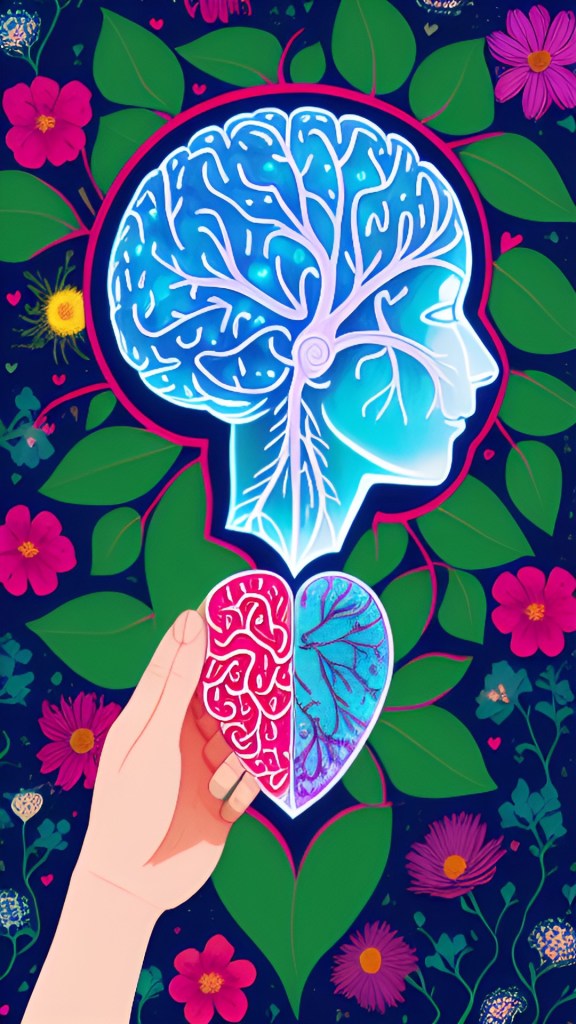
We all have a beautiful, complex, and delicate system at the core of our brains that plays a fundamental role in our emotional well-being – the limbic system. This incredible part of our brain is responsible for processing our emotions, memories, and behaviors. Just like any other part of our body, our limbic system needs care and attention to function optimally. In this blog post, we will explore ways to heal and nurture our limbic system with love.
Managing Stress: A Loving Gift to Your Limbic System
Stress, whether it’s from work, relationships, or other sources, can take a toll on our limbic system. Prolonged stress can trigger the release of stress hormones like cortisol, which can disrupt the balance in the limbic system and negatively impact our emotional health. To care for your limbic system, make self-care a priority. Take time for activities that help you relax and unwind, such as meditation, yoga, or spending time in nature. Be gentle with yourself and practice self-compassion during times of stress, knowing that it’s okay to take care of your own well-being.
Emotional Regulation: Lovingly Nurturing Your Emotions
Emotional regulation, or the ability to manage and express our emotions in healthy ways, is essential for a healthy limbic system. It’s okay to feel a wide range of emotions, but it’s also important to learn how to regulate them. This can be achieved through various techniques, such as mindfulness, deep breathing, and engaging in activities that bring you joy. Journaling, talking to a trusted friend, or seeking therapy can also be helpful in developing healthy emotional regulation skills. Remember, it’s okay to feel and express your emotions, and taking steps to regulate them with love and care can support your limbic system’s well-being.
Embrace a Healthy Lifestyle: Nourish Your Limbic System with Love
Adopting a healthy lifestyle can also contribute to a healthy limbic system. Eating a balanced diet with plenty of fruits, vegetables, and whole grains can provide the necessary nutrients for brain health. Regular physical exercise, such as walking, swimming, or dancing, can also support the limbic system by promoting the release of endorphins, which are natural mood elevators. Prioritize regular sleep to allow your limbic system to rest and regenerate. Avoiding harmful substances, such as excessive alcohol or drugs, is also crucial in supporting your limbic system’s well-being. Remember, loving yourself means nourishing your body and mind with healthy choices.
Cognitive Stimulation: Keeping Your Limbic System Engaged with Love
Engaging in activities that stimulate the mind, such as reading, puzzles, or learning a new skill, can also support the limbic system. Cognitive stimulation keeps the brain active and engaged, promoting neural connections and healthy brain function. Engage in activities that you enjoy and that challenge your mind, and do it with love and curiosity. It’s never too late to learn something new or engage in activities that bring you joy.
Seeking Therapy: Lovingly Caring for Your Mental Health
Seeking therapy or counseling can be a loving and courageous step towards healing and supporting your limbic system. A trained therapist can provide support, guidance, and tools for managing emotions, processing memories, and developing healthy coping strategies. Therapy can also provide a safe space for expressing and exploring emotions, helping to reduce emotional distress and promote emotional well-being. Remember, it’s okay to seek help when needed, and taking this step is an act of self-love.
Considering Medication: Compassionate Support for Your Limbic system
In some cases, medication may be recommended as part of the healing process for the limbic system. Antidepressant or anti-anxiety medications, when prescribed by a qualified healthcare professional, can help regulate the chemicals in the brain that impact emotions, providing much-needed support for the limbic system. If you are considering medication, it’s important to work closely with a healthcare provider to determine the right course of action for your individual needs.
Building Supportive Relationships: Surrounding Yourself with Love
Having supportive relationships can also contribute to the healing of the limbic system. Connecting with loved ones, friends, or a support group can provide a nurturing and understanding environment to share your emotions, experiences, and challenges. Surrounding yourself with people who uplift and support you can help reduce stress, increase feelings of belonging and connection, and promote emotional well-being. Cultivating healthy relationships with love and care can be a powerful tool in healing and supporting the limbic system.
Practicing Self-Compassion: A Loving Approach to Yourself
Lastly, practicing self-compassion is essential in healing and nurturing the limbic system. Treat yourself with the same kindness, empathy, and understanding that you would offer to a loved one. Be gentle with yourself, acknowledge and validate your emotions, and practice self-care regularly. Avoid self-judgment or self-criticism, and instead, offer yourself words of love, encouragement, and understanding. Remember that healing takes time, and it’s okay to have setbacks or challenges along the way. Embrace a loving and compassionate approach to yourself as you work towards healing your limbic system.
In essence, our limbic system is a vital part of our emotional well-being, and it deserves our love and care. By managing stress, practicing emotional regulation, adopting a healthy lifestyle, engaging in cognitive stimulation, seeking therapy when needed, building supportive relationships, and practicing self-compassion, we can heal and nurture our limbic system with love. Remember, healing is a journey, and it’s important to be patient and kind to yourself as you embark on this process. You deserve to have a healthy and balanced limbic system, and taking steps to care for it with love is a beautiful act of self-care.
With love and care,
Damian Wolff
 TheSpiritualExplorer