- The Concept of Energy in Philosophical and Spiritual Traditions
- Energy and Transformation in the Context of Death
- Perspectives on What Happens After Death
- Navigating the Questions and Emotions Surrounding Death
- Embracing the Mystery and Wonder of Life and Death
Experiencing the death of a loved one can be a profound and challenging experience that often raises questions about the nature of life, death, and the concept of energy. Many philosophical and spiritual traditions view human beings as more than just physical bodies, but also as spiritual or energetic beings. In this blog post, we will explore the philosophical perspective on the concept of energy in the context of death and reflect on different perspectives on what happens after death.
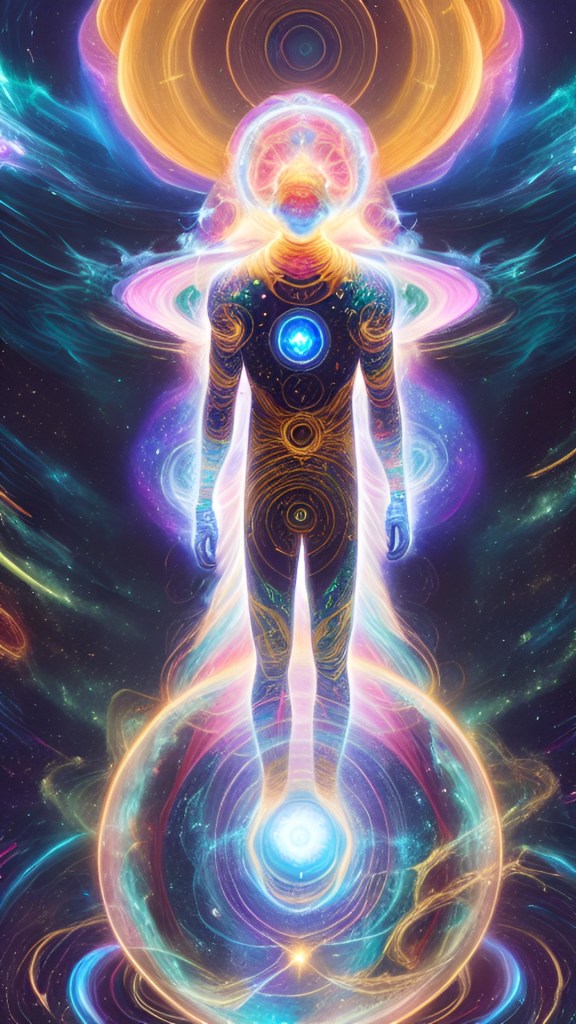
- The Concept of Energy in Philosophical and Spiritual Traditions In various philosophical and spiritual traditions, the concept of energy is understood in different ways. According to the laws of physics, energy cannot be created nor destroyed, only transformed or transferred from one form to another. From this perspective, the “energy” of a person could refer to their physical energy, such as their bodily functions and bioelectrical processes, but also their spiritual or metaphysical energy, which could be seen as their consciousness, soul, or essence.
For example, in some belief systems, the idea of a soul or consciousness separate from the physical body is prevalent. It is believed that this non-physical energy or essence continues to exist after the death of the physical body and may undergo a transformation or transfer to another form or realm.
- Energy and Transformation in the Context of Death In the philosophical perspective, death is often seen as a transformation or transition rather than an absolute end. Just as energy transforms from one form to another in the physical world, the idea is that the energy or essence of a person may also undergo a similar transformation after death.
Some philosophical perspectives suggest that the energy or consciousness of a person may continue to exist in another form or realm, such as an afterlife or a higher state of existence. This could be seen as a continuation of the individual’s essence or soul, albeit in a different form than the physical body.
- Perspectives on What Happens After Death Different belief systems and philosophical perspectives offer varying viewpoints on what happens after death. For example, in some religious or spiritual traditions, there is a belief in an afterlife, where the soul or consciousness of the deceased person continues to exist in another realm or plane of existence. This afterlife may be depicted as a heavenly realm, a realm of ancestors, or a state of spiritual enlightenment.
On the other hand, some philosophical perspectives may view death as a return to the natural cycles of the universe, where the energy or essence of a person merges back into the universal energy or consciousness, becoming one with the cosmic order.
It’s important to note that these are subjective perspectives and there is no definitive scientific answer to what happens after death. It’s ultimately a matter of personal belief and interpretation, and different cultures and individuals may hold different views on this topic.
- Navigating the Questions and Emotions Surrounding Death Contemplating the nature of death can be a deeply personal and emotional journey. It’s natural to feel a wide range of emotions, including grief, confusion, fear, and curiosity. It’s important to allow yourself to be curious and open to different perspectives as you explore these questions and emotions.
Reflecting on your own beliefs and what resonates with you personally can be helpful in navigating the complexities of death and loss. It can also be beneficial to seek support from trusted friends, family, or professionals who can provide comfort, guidance, and understanding during this challenging time. It’s okay to have your own unique perspective on death and to question and explore the unknown aspects of life and consciousness.
- Embracing the Mystery and Wonder of Life and Death As humans, we are limited in our understanding of the nature of life and death. While philosophical and spiritual perspectives can offer insights and possibilities, the mystery and wonder of life and death remain profound and awe-inspiring.
Contemplating the concept of energy in the context of life and death can be a way to appreciate the interconnectedness of all things and the impermanence of life. It can also be an opportunity to find meaning and purpose in the present moment, recognizing the preciousness of life and the importance of living fully.
To end with, pondering the nature of life, death, and energy from a philosophical perspective can be a deeply introspective and personal journey. It’s important to be open to different perspectives and to navigate the questions and emotions surrounding death with curiosity, reflection, and support. Embracing the mystery and wonder of life and death can lead to a deeper understanding and appreciation of the complexities of our existence.
 TheSpiritualExplorer