Have you ever found yourself in a situation where someone was denying your reality or experience, causing you to question your own thoughts and feelings? This is a form of emotional abuse known as gaslighting, and it can leave us feeling confused, frustrated, and powerless. But what is it about the language we use that can have such a profound impact on our relationships and our sense of self?
In the teachings of the philosopher and writer, Alan Watts, we can find insights into the power of language and communication. According to Watts, our words are not just empty symbols, but rather, they are imbued with our intentions, emotions, and perceptions. When we communicate with others, we are not just transmitting information, but also a complex web of feelings and ideas.
Gaslighting, in particular, involves using language in a way that undermines or dismisses another person’s feelings and experiences. It is a form of manipulation that can be used to control, dominate, and invalidate another person. For example, when someone says “I’m sorry you feel that way,” they are denying the other person’s reality and feelings, and putting the blame on them. This can be hurtful and damaging, as it can cause the other person to doubt their own perceptions and feelings.
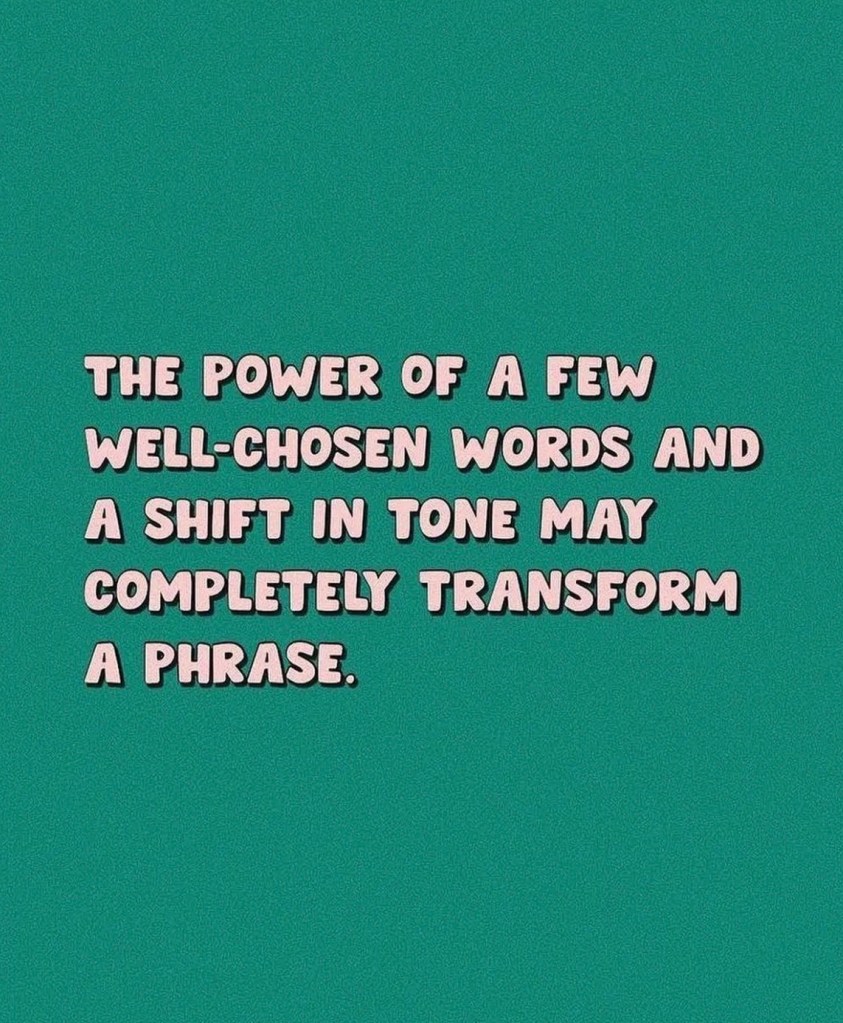
On the other hand, using more respectful language and communication can help us build stronger, healthier relationships. When we acknowledge and validate another person’s feelings and experiences, we are showing empathy and compassion. For example, saying “I’m sorry I made you feel that way” shows that we are taking responsibility for our actions and acknowledging the other person’s feelings. This can help build trust and understanding, and create a sense of safety in our relationships.
In order to communicate respectfully and avoid gaslighting, we need to be aware of our own intentions and emotions, as well as those of others. We need to be willing to listen actively and reflectively, to acknowledge our own mistakes and take responsibility for them, and to avoid making assumptions about others’ intentions or feelings. When we approach communication in this way, we can build deeper, more meaningful connections with others, and cultivate a sense of mutual respect and understanding.
To wrap things up, the way we use language and communicate with others can have a profound impact on our relationships and our sense of self. By being mindful of our words and intentions, we can avoid the harmful effects of gaslighting, and build stronger, more authentic connections with those around us. As Alan Watts once said, “We seldom realize, for example, that our most private thoughts and emotions are not actually our own. For we think in terms of languages and images which we did not invent, but which were given to us by our society.” Let us strive to use language and communication in a way that reflects our true intentions and values, and helps us create a more compassionate, connected world.
 TheSpiritualExplorer